


Ever felt like the stock market is just a giant, confusing casino? You see people on TikTok bragging about making $5,000 in a single afternoon, while your parents keep talking about “buying and holding” for thirty years. It’s enough to make your head spin. Understanding long-term investing vs short-term trading is the first step to making sure you don’t just throw your money away. Let’s break down which path actually fits your personality, your goals, and—most importantly—your stress levels.
- What is Long-Term Investing vs Short-Term Trading?
- A Step-by-Step Guide to Getting Started
- 1. Check Your “Stress Budget”
- 2. Define Your “Why”
- 3. Choose Your Tools
- 4. Start Small (Really Small)
- 5. Educate Yourself on the “How”
- The Reality of Both Worlds
- 6 Tips to Keep Your Sanity (and Your Money)
- Understanding the Tax Man
- Common Questions About Investing and Trading
- Conclusion
What is Long-Term Investing vs Short-Term Trading?
At its heart, the difference is all about time and intent. Think of it like a house. A long-term investor is like someone who buys a home to live in for twenty years. They care about the neighborhood growing, the structure being solid, and the value slowly rising over time. They don’t panic if the house next door sells for a little less one week; they’re looking at the big picture.
Short-term trading, on the other hand, is like “house flipping.” You buy a place, fix a few things (or just hope the market spikes), and try to sell it for a profit in a few weeks or months. You don’t care about the long-term history of the neighborhood; you just want to get in and get out with more cash than you started with.
In the stock market, long-term investing usually means holding onto assets like stocks or index funds for years, or even decades. You’re betting on the growth of the economy. Short-term trading involves buying and selling within days, hours, or even minutes. You’re betting on small price movements and market “noise.”
A Step-by-Step Guide to Getting Started
If you’re sitting there wondering which way to turn, don’t worry. You don’t have to be a math genius to get started. Here is a simple way to figure out your path and take those first steps.
1. Check Your “Stress Budget”
Before you look at your bank account, look at your personality. Can you handle seeing your account balance drop by 10% in a single day? If that makes you want to throw up, short-term trading is definitely not for you. Long-term investing is much quieter. You check your account maybe once a month (or once a year) and let time do the heavy lifting.
2. Define Your “Why”
Why are you doing this? If you’re saving for a house in two years, you shouldn’t be doing heavy long-term investing in risky stocks. If you’re saving for retirement thirty years away, short-term trading is a massive waste of energy. Write down your goal. Is it “wealth over decades” or “extra income this month”?
3. Choose Your Tools
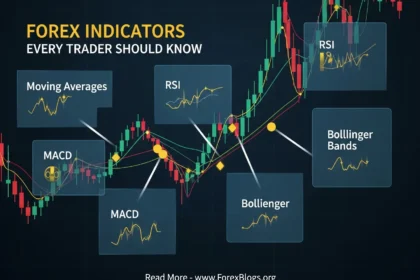
For long-term investing vs short-term trading, the apps you use might even be different. Long-termers often love “set it and forget it” platforms or retirement accounts like a 401(k) or IRA. Traders need high-speed platforms with lots of charts, technical indicators, and low commissions because they move money so often.
More Read

4. Start Small (Really Small)
Don’t dump your life savings into anything on day one. If you’re leaning toward trading, try “paper trading” first. This is basically a simulator where you use fake money to see if your strategy works. If you’re investing for the long haul, start with a small monthly contribution to a diversified index fund.
5. Educate Yourself on the “How”
If you’re going long, learn about “compounding interest.” It’s the closest thing to magic in the financial world. If you’re going short, you’ll need to learn about “technical analysis”—which is basically reading charts to predict where the price might go next based on human behavior.
The Reality of Both Worlds
It’s easy to get caught up in the hype, but let’s be real for a second. Both styles have their own set of pros and cons that no one tells you about in the flashy YouTube ads.
The Long-Term Path The biggest perk here is time. You don’t have to stare at a screen all day. You can have a full-time job, a hobby, and a social life while your money grows in the background. The downside? It’s boring. You won’t get that “rush” of a big win, and you have to be disciplined enough not to touch the money when the market has a bad month.
The Short-Term Path This is high-octane. It can be incredibly exciting and, if you’re good at it, very lucrative. But here’s the kicker: most people aren’t good at it. It takes hours of research every single day. You’re competing against supercomputers and Wall Street pros. It’s a job, not a passive income stream.
6 Tips to Keep Your Sanity (and Your Money)
Whether you choose to be a turtle or a hare, keep these tips in mind to avoid the common traps beginners fall into.
- Avoid FOMO (Fear Of Missing Out): Just because your cousin made a killing on a random “meme coin” doesn’t mean you should jump in now. Usually, by the time you hear about a “hot tip,” the big money has already been made.
- Watch the Fees: If you’re trading frequently, trading fees and taxes can eat your profits alive. Long-term investors usually pay much less in taxes because of “capital gains” rules (the government rewards you for holding onto assets longer).
- Don’t Ignore Diversification: Don’t put all your eggs in one basket. Even if you’re trading, don’t bet everything on one single stock. Spread the risk around.
- Keep an Emergency Fund: Never invest money that you need for rent or groceries next month. This is the fastest way to make emotional, panic-driven decisions that lead to losses.
- Control Your Emotions: The market is driven by fear and greed. If you can stay calm when everyone else is panicking, you’re already ahead of 90% of people.
- Keep Learning: The market changes. What worked in the 90s might not work today. Stay curious and keep reading, but don’t feel like you need to know everything at once.
Understanding the Tax Man
One thing beginners often forget is that the government wants their cut. When we talk about long-term investing vs short-term trading, the tax differences are huge. In many places, if you sell a stock you’ve held for less than a year, you pay a much higher tax rate (often your normal income tax rate). If you hold it for more than a year, you get a “discounted” rate. This is a huge “win” for the long-term crowd. Traders have to make significantly more profit just to break even after the tax man visits.
Common Questions About Investing and Trading
Do I need a lot of money to start?
Not at all! Many apps today let you buy “fractional shares.” This means if a single share of a big tech company costs $3,000, you can actually just buy $5 or $10 worth of it. You can start long-term investing with the price of a lunch. Trading usually requires a bit more (at least a few hundred dollars) just to make the potential profits worth the time you spend on it.
Can I do both?
Actually, many people do! This is often called a “Core and Satellite” strategy. You put the majority of your money (say 80-90%) into safe, long-term index funds. Then, you take a small “fun” portion (the other 10-20%) to try your hand at short-term trading or picking individual stocks. This way, if your trades go south, your future is still secure.
Is trading just gambling?
It can be. If you’re just clicking “buy” because you saw a post on Reddit, that’s gambling. However, professional traders use data, statistics, and strict rules to manage their risk. It’s more like being a professional poker player—there’s luck involved, but the people who know the math usually win over time.
Conclusion
At the end of the day, there is no “right” way to handle your money, only the way that works for you. Some people love the thrill of the hunt and have the discipline to trade the markets every morning. Others prefer the “lazy” approach of investing in a broad market fund and letting the world’s greatest companies do the work for them.
If you’re just starting out, my best advice is to lean toward the long-term side first. It’s safer, it’s easier to manage, and it gives you a solid foundation. You can always try trading later once you’ve built up some “sleep-well-at-night” money.
The most important thing isn’t how much you start with or which strategy you pick—it’s just that you start. Time is the most valuable asset you have, especially when it comes to the stock market. So, take a breath, pick a path that doesn’t keep you up at night, and start building that future version of yourself. You’ll be glad you did.
#LongTermInvesting ShortTermTrading InvestmentStrategy StockMarketTips FinancialFreedom WealthManagement DayTrading ValueInvesting MarketAnalysis TradingVsInvesting PortfolioManagement FinanceEducation SmartInvesting GrowthInvesting TradingGoals