

There is a lot of noise in the forex market. If you’ve spent more than five minutes on social media, you’ve probably seen a lot of “gurus” promising 90% win rates and making you rich overnight. That’s not true. Most of these signal services are just marketing tools that use survivorship bias and cherry-picked data to get people to buy things. High-Probability Forex Signals You Can Trust
You need to stop looking for a crystal ball and start looking for an edge if you want to find signals you can trust. A signal with a high probability doesn’t mean you’ll win the trade; it just means that the odds are heavily in your favor. This is how you find them and, more importantly, how you get rid of the bad ones.
What Most Signals Do Wrong – High-Probability Forex Signals You Can Trust
Most retail signals don’t work because they don’t have enough information. A “Buy EUR/USD” alert will show up because the Relative Strength Index (RSI) hit an oversold level. That’s not professional. Indicators are slow. They tell you what happened, not what will happen.
A reliable signal must be based on how prices move and how the market is set up. A signal provider doesn’t have a strategy if they can’t explain the “why” behind a trade in two sentences or less. They just have a hunch. You are not paying for a guess. You’re paying for a process that makes sense and can be repeated.
The Parts of a High-Probability Setup
When I look for a trade with a high chance of success, I look for confluence. This means that a number of separate factors are all pointing in the same direction. One thing is a risk. Three things make a trade.
More Read
- Market Structure is King. Is the market going up or down? No matter how overbought the indicators look, a “sell” signal in a blistering uptrend is a recipe for disaster. The signals with the highest probability always match the trend in the dominant timeframe.
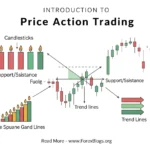
- Key Levels. The price remembers things. It reacts at levels where large banks and other organizations have already gotten involved. A signal that happens at a major support or resistance zone is ten times more important than one that happens in the middle of a range.
- Confirmation of Price Action. We want to see the market “reject” a level. This often looks like a pin bar, an engulfing candle, or a fake breakout. That’s the market’s way of saying, “We tried to go higher, but there isn’t enough money there.”
If you see a trend, a key level, and a rejection candle all at the same time, that’s a strong signal. It’s not showy. It’s really boring. But it does work.
Finding the Red Flags
You have to be the one who lets people in. There is a lot of bad behavior in the forex market. If a signal provider sends you a picture of a Ferrari or a pile of money, get out of there. That’s not how professionals talk. We talk about risk-to-reward ratios, R-multiples, and drawdown.
Stay away from any service that says it can “guarantee” returns. The market doesn’t owe you anything. Also, watch out for “black box” signals that don’t show you how they work. You won’t be able to stick to the plan when you start losing if you don’t understand it. And yes, even the best signals have times when they lose.
What Risk Management Does
If you don’t manage your risk well, you could lose your whole account even if you have the best signals in the world. This is the part that most traders don’t pay attention to because it’s not fun.
A signal is only part of the answer. The other half is how much you put on the line. Don’t put more than 1% or 2% of your account on a single signal. You should ignore a signal from a provider if it doesn’t have a clear stop-loss and take-profit target. They don’t care. Before a professional even starts working, they know exactly what they did wrong.
How to Gain Trust – High-Probability Forex Signals You Can Trust
You don’t get trust; you earn it by being open. If you want to find a signal source, look for a MyFXBook link or something else that has been proven to work. This lets you see the performance in real time, the drawdowns, and the past. They’re hiding something if they won’t show you the data.
I also think you should “paper trade” or use a demo account for at least a month with any new signal source. Watch how they deal with news that changes quickly. Do they freak out? Do they trade too much? You want someone who is steady, not a risk-taker.
The point is clear: High-probability signals don’t mean you have to be right all the time. They’re about being right often enough and having a big enough win-size that the math works in your favor over hundreds of trades. Stop looking for the “perfect” deal. Start looking for the one that makes sense.