


Let me say something most traders don’t want to hear: accurate forex signals are not magic. They’re not some secret code whispered by institutional insiders. And they definitely aren’t a shortcut to effortless money. Accurate Forex Signals for Consistent Results
- What “Accurate” Actually Means – Accurate Forex Signals for Consistent Results
- Where Accurate Forex Signals Come From
- Consistency Over Excitement – Accurate Forex Signals for Consistent Results
- The Psychology Behind Following Signals
- Red Flags to Watch Carefully – Accurate Forex Signals for Consistent Results
- Building Your Own Accuracy
I’ve seen traders chase signals the way people chase lottery numbers. New Telegram group today. New “95% accuracy” provider tomorrow. Same disappointment next week.
But here’s the truth—accurate forex signals do exist. The difference is, they’re rarely flashy. They’re disciplined. Structured. A little boring, even. And boring, in trading, is usually a good sign.
What “Accurate” Actually Means – Accurate Forex Signals for Consistent Results
Most beginners think accuracy means a high win rate. Eight out of ten trades winning. Sounds impressive, right?
But accuracy in professional trading isn’t just about win percentage. It’s about consistency over time. It’s about risk-to-reward balance. It’s about how losses are handled just as much as how wins are captured.
For example, I’ve personally seen signal providers with a 55% win rate outperform those claiming 85%. Why? Because their losses were small and their winners were allowed to run. That’s structure. That’s discipline.
If a signal tells you:
- Entry
- Stop loss
- Take profit
- Risk percentage
…that’s already a sign of seriousness. If it just says “Buy EURUSD now 🚀”, run.
Where Accurate Forex Signals Come From
Good signals are not random alerts. They’re based on repeatable systems.
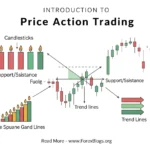
Price action at key support and resistance. Liquidity grabs before reversals. Break-and-retest setups. Session timing—London open moves differently than Asian session drift.
The market has rhythm. Experienced traders learn to feel it. And when signals are generated from that rhythm—not from emotion—you start seeing consistency.
I once mentored a trader who kept jumping into every breakout. He thought momentum meant profit. It didn’t. Once he started waiting for structure confirmation—retest, rejection candle, volume alignment—his results changed. Dramatically.
Accurate signals usually come from patience, not speed.
Consistency Over Excitement – Accurate Forex Signals for Consistent Results
Here’s something people don’t talk about enough.
If your signal provider posts 15 trades a day on the M1 timeframe, ask yourself—are they trading, or are they gambling?
Consistency often looks like 3–5 quality setups per week. Sometimes fewer. Professionals are selective. They understand that capital preservation is priority number one.
You don’t grow an account by being busy. You grow it by being precise.
There were weeks in my trading journey when I took only two trades. Two. And those were enough. Because they were aligned with structure, trend bias, and risk control.
Accurate forex signals should feel calm. Not urgent. Not desperate.
More Read

The Psychology Behind Following Signals
This part is rarely discussed.
Even if the signal is accurate, can you follow it properly?
Many traders close early when price moves slightly in profit. Or they widen stop losses because “it might come back.” Suddenly the signal isn’t the problem—the execution is.
Signals are tools. Not guarantees.
If you’re using signals for consistent results, your discipline must match the provider’s strategy. Otherwise, even the best setups will fail in your hands.
Consistency is a partnership between system and mindset.
Red Flags to Watch Carefully – Accurate Forex Signals for Consistent Results
Let’s be honest for a moment.
If someone promises 100% accuracy, they’re either inexperienced or dishonest. Losses are part of trading. Any serious trader accepts that.
Be cautious of:
- No verified track record
- No stop-loss levels
- Unrealistic monthly return claims
- Emotional marketing language
Real accuracy shows up in verified performance over months, sometimes years. Not in screenshots cropped conveniently.
And one more thing—steady growth is far more believable than explosive returns.
Building Your Own Accuracy
Here’s something powerful: the most accurate signals often come from traders who eventually learn to analyze the market themselves.
Even if you start by following a provider, study every trade. Ask why that entry was chosen. Why that stop level. Why that target.
When you understand the logic behind the signal, your confidence increases. And confidence—quiet, earned confidence—translates into better execution.
Over time, you’ll notice patterns. Repeating behaviors in price. High-probability zones.
That’s when consistency stops feeling random. It starts feeling intentional.
Accurate forex signals for consistent results aren’t about hype. They’re about structure, patience, risk control, and psychology working together.
And if I’m being completely honest?
The traders who win long-term aren’t the ones chasing signals every hour. They’re the ones who respect the process, protect their capital, and treat every trade like a calculated decision—not a gamble.
Consistency isn’t loud.
It’s steady.